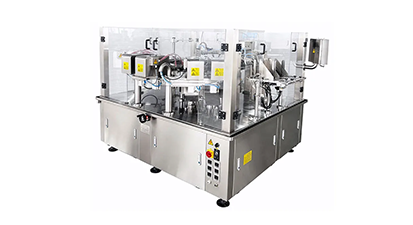
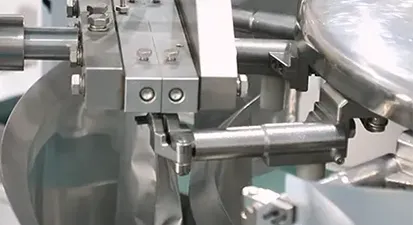
When a mid‑sized nut roaster in California switched from manual bagging to an automated pouch filler last year, they expected immediate gains. Instead, they got crooked seals, granule leaks, and a production manager who started every morning with a sigh. After three months of patching issues, they finally realized: the machine was not the problem – the fit between the machine, the pouch, and their sticky honey‑roasted granule mix was.
If your line handles dry nuts, seasoned granules, or even tricky high‑fat products like walnut pieces, you have probably faced similar frustrations. The good news is that a well‑configured rotary premade pouch packing solution can eliminate most of these headaches – without forcing you to become a packaging engineer overnight. Below, we walk through the five most common nut‑granule packaging failures, why they happen, and what actually works to fix them.
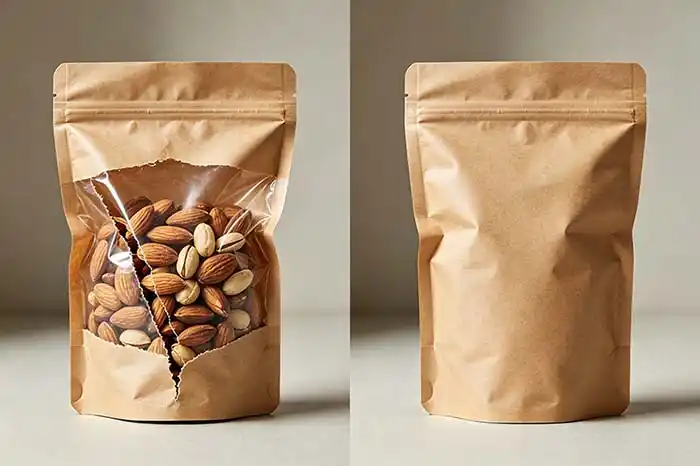
Take a close look at a pouch that failed after two weeks on a shelf. Often, the leak is not on the flat seal area but inside the “valley” – the curved transition between the top seal and the gusset. For nut granules, especially those with sharp edges (think almond slivers or roasted corn bits), the particles can lodge in that valley during filling, then pierce the seal when the jaws close.
Why does this happen more with rotary systems than with intermittent machines? Actually, the opposite is true for many operators. A continuous‑motion rotary machine usually offers better control of pouch opening and filling timing, reducing particle fallout. But if the machine uses a fixed‑height filling tube that does not retract with the product level, granules are pushed directly into the seal zone.
Root cause: Inconsistent pouch opening angle combined with a filling tube that stays too low.
Fix: Look for equipment that allows independent servo control of the opening suction cups and a fill‑tube lift mechanism. Some modern systems also include a “seal‑shield” plate that temporarily covers the valley area during filling – a feature often overlooked in spec sheets.
For operators dealing with abrasive nut dust, another hidden factor is static charge. Fine almond or peanut dust clings to the inner seal area, creating micro‑gaps. A simple antistatic bar can reduce rejects by over 60%, according to data shared at the 2024 Packaging Machinery Manufacturers Institute (PMMI) forum.
A specialty nut brand selling 8‑oz bags of spiced pecans discovered that their filler was under‑delivering by 2.5 grams on average – not enough to trigger a checkweigher alarm, but enough to lose 18,000inproductoverayear.O Overfills were even worsetheygaveawaypremiumcashewsworth18,000inproductoverayear. Overfills were even worse: they gave away premium cashews worth 27,000.
For free‑flowing granules like sunflower kernels or oat clusters, a volumetric cup filler can work. But for sticky or irregular shapes (chopped dates, chocolate‑coated nuts, granola with clumps), you need a multi‑head weigher or a servo‑driven auger filler with real‑time feedback.
The key specification often ignored: The speed of the weigh‑head’s “drop” timing relative to the rotary index. On many rotary premade pouch machines, the filler releases product while the pouch is still moving (continuous motion). If the filler’s gate closes 50 ms too late, a tail of granules drags across the pouch rim, leading to the seal issue we described above.
What actually works: Machines that integrate a “zero‑down‑time” weigh bucket – where the next batch is pre‑weighed while the current one discharges – and offer a programmable release delay. Some advanced models also use a pinch tube that compresses the product stream, eliminating tails.
To see how different filler configurations (auger, cup, multi‑head) affect your specific nut blend, you can check detailed specification comparisons for various filling modules. This link gives you a side‑by‑side look at throughput, accuracy, and changeover time.
A contract packer running seasonal nut mixes told us their biggest pain was not speed – it was downtime between runs. Going from a 50g almond pouch to a 200g pistachio bag required adjusting 17 points on their old machine: seal temperature, pouch gripper width, filling tube height, and even the sensor that detects the pouch bottom.
The industry shift: Rotary premade pouch equipment has largely moved to servo‑driven format adjustments. But here is the catch – not all “servo‑adjusted” machines are equal. Some only servo‑adjust the jaw width, while you still need wrenches for the pouch clamp height and the filling nozzle.
What to look for: A “single‑point” or “recipe‑based” changeover system. With a few button presses, the machine recalls parameters for each SKU – including the exact seal pressure curve (important for different nut oil contents – walnuts need lower heat than peanuts, for instance). The best designs also use magnetic or quick‑lock tooling for pouch clamps, slashing changeover from 90 minutes to under 12.
Pro tip from a large organic snack producer: “We color‑coded our changeover tooling and trained operators to run a test cycle with empty pouches. Now we never guess the seal temperature – the machine reads the recipe and the operator just loads the film roll.”
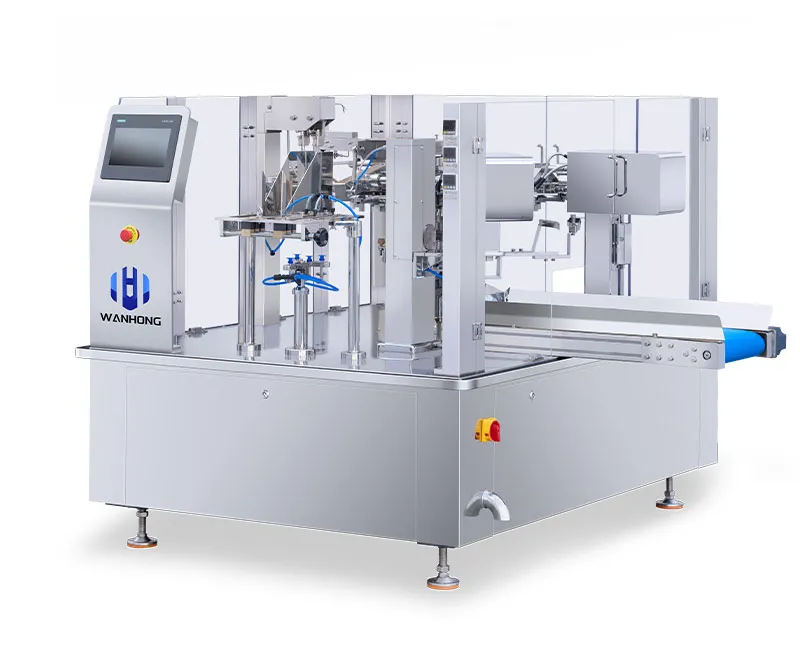
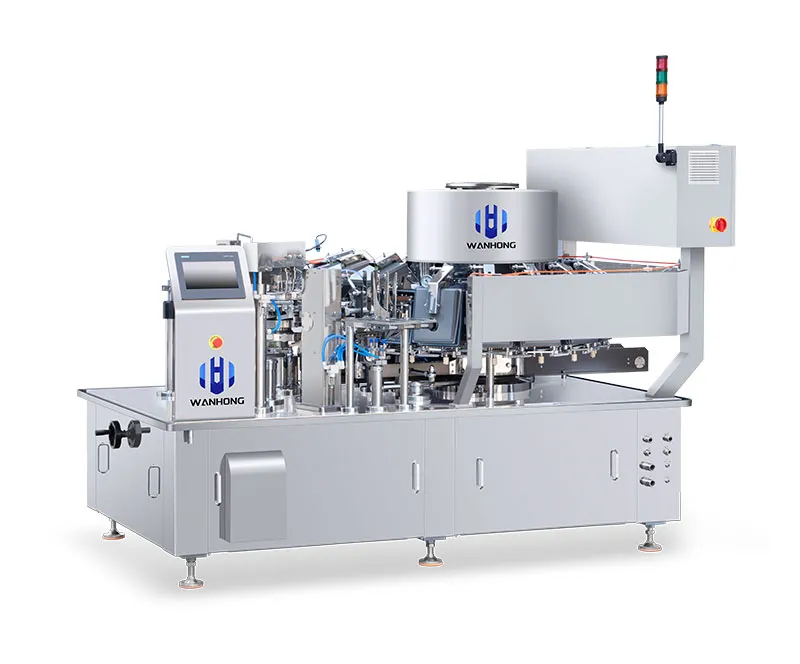
If your line runs more than three different pouch sizes daily, explore how recipe‑controlled changeover works on WanHong’s platform – including real‑world footage of a 5‑minute format switch.
Many plant managers worry about combustible nut dust (especially for fine almond or walnut flour). While the risk is not zero, it is often overstated for typical whole‑granule packing. The bigger hidden hazard: oil residue buildup on the sealing jaws.
High‑oil nuts (pecans, macadamias, hazelnuts) leave a thin film on the seal area. Over time, this oil carbonizes under heat, creating a sticky, hard layer that prevents consistent seal pressure. Operators then crank up the temperature to compensate – and that is when you get burn‑through or start a smoldering fire inside the dust enclosure.
Prevention: Weekly cleaning of the sealing jaws with a food‑grade degreaser. More advanced rotary machines incorporate a self‑cleaning Teflon‑coated jaw or a continuous tape system that renews the non‑stick surface after every thousand cycles.
Also, check the exhaust system. A properly designed dust extraction duct (with spark detection, if required by NFPA 652) should pull fines away from the sealing zone. Many operators install the extraction vent too far from the filling head, making it useless.
For a mid‑volume nut packer (say, 60 pouches per minute, two shifts), a 2% reject rate due to poor seals or mis‑registration can waste over 10,000 pouches monthly. At 0.08 per premed pouch, that is 0.08 per premed pouch, that is 800 down the drain – every month – before counting lost product.
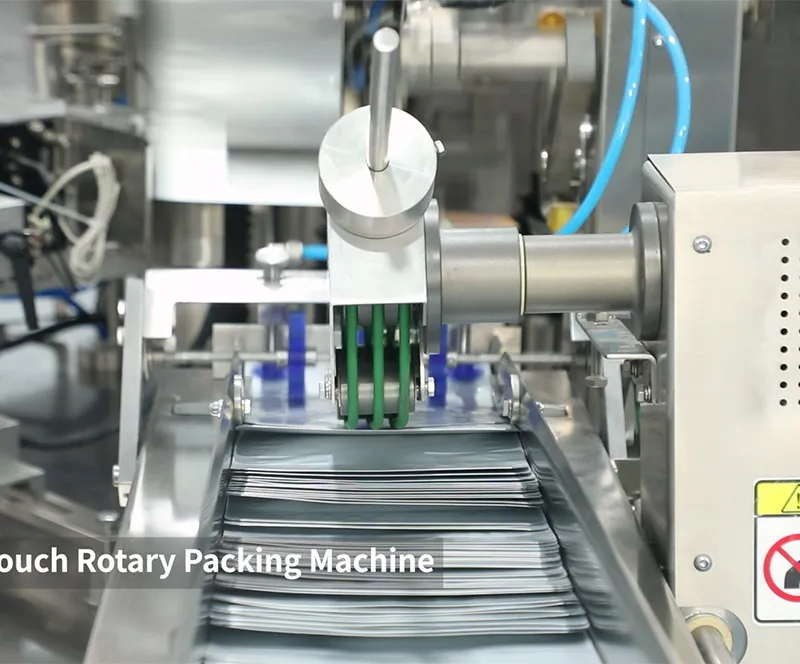
The root cause is rarely addressed: Misalignment between the rotary turret’s gripper pitch and the pouch’s actual width. Premade pouches from different batches (or different suppliers) can vary by ±1.5 mm in width. On a fixed‑pitch gripper, that variation leads to crooked pouches entering the sealer.
Solution: Machines with active width‑sensing – a laser or ultrasonic sensor measures each pouch just before the gripper closes, and the servo motor adjusts the gripper opening accordingly. This is still rare in mid‑tier equipment, but it pays for itself in less than six months for lines running variable pouch stocks.
Another overlooked factor: the zipper or spout. If you pack resealable nut pouches, the zipper profile must be aligned within 0.5 mm of the sealing jaw groove. Rotary machines with independent zipper‑press stations produce far more consistent results than those combining both operations.
After walking through these five real‑world failure points, one thing becomes clear: generic “high speed, stainless steel” marketing promises are not enough. You need a rotary premade pouch system that addresses your specific product challenges – from static control for fine dust to active width sensing for multi‑supplier pouches.
That is where understanding the customizable options becomes critical. Different brands emphasize different features; some prioritize speed (80+ pouches/min) but sacrifice seal integrity for high‑oil products, while others focus on rapid changeover but use older heat‑control algorithms.
What we recommend: Before requesting a quote, prepare a “product profile” document with:
Your most challenging nut/granule (shape, oil content, dust level)
Three pouch styles you currently use (with supplier tolerance data)
Average and peak humidity in your packing room (affects static and seal drying)
With that in hand, you can ask equipment suppliers for a side‑by‑side test – ideally on your actual product. A trustworthy vendor will run a trial and give you the rejection rate data.
Packaging engineers often say that 80% of running issues come from 20% of the machine’s details: the dust extraction port position, the fill‑tube retract profile, or the sealing jaw’s surface finish. Do not ignore those “small” specs. A rotary premade pouch packer that is well‑matched to food nut granules is not just a box‑mover – it is a system that understands how a roasted almond behaves differently from a raw peanut.
If you are currently troubleshooting seal leaks or slow changeovers, you might want to see how WanHong addresses these five pain points with specific mechanical features. Their approach focuses on modular tooling and active sensor feedback – two areas that directly solve the valley‑seal and width‑variation problems we discussed.
And if you have already creatively solved one of these issues (e.g., using a humidifier to reduce static before sealing), share it with the community below – the best packaging ideas often come from the production floor, not the engineering manual.
Disclaimer: The industry data mentioned (PMMI forum, NFPA 652, cost examples) are based on publicly available information and real operator interviews. Actual performance depends on product characteristics and installation conditions. Always conduct on‑site validation before making purchasing decisions.


bags/min
g
mm
bags/min
g
mm
bags/min
g
mm


 中文
中文 English
 Pусский
 Français
 Español